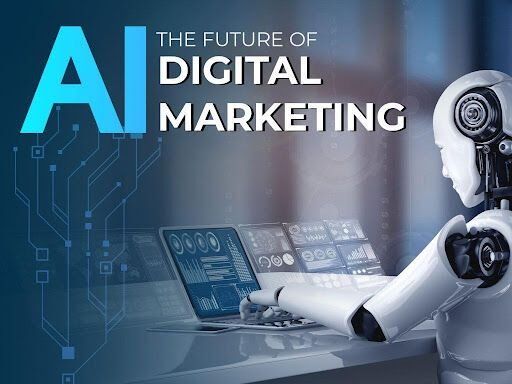
Artificial Intelligence (AI) is transforming digital marketing faster than ever. From automated content creation to predictive analytics, AI helps businesses save time, reduce costs, and increase conversions. If you’re wondering how to use AI in digital marketing effectively, this beginner-friendly guide will walk you through practical strategies you can implement right away. What Is AI in Digital Marketing? AI in digital marketing refers to the use of machine learning, automation, and data-driven tools to improve marketing performance. Instead of relying on guesswork, AI analyzes user behavior, predicts trends, and optimizes campaigns in real time. This allows marketers to make smarter decisions based on data rather than assumptions. 1. AI for Content Creation Creating consistent, high-quality content can be time-consuming. AI-powered tools help marketers: AI doesn’t replace creativity — it enhances it. You can use AI to draft content quickly, then refine it with your personal voice and brand style. This increases productivity while maintaining quality. 2. AI for SEO Optimization Search Engine Optimization (SEO) is critical for organic traffic. AI tools help with: AI can analyze large volumes of data within seconds, helping you identify high-ranking keywords and long-tail phrases. It also suggests improvements to boost search visibility. This makes your website more discoverable on search engines. 3. AI-Powered Chatbots for Customer Support Customer service plays a major role in digital marketing success. AI chatbots can: This improves customer experience while reducing workload for your team. Fast responses increase trust and improve conversion rates. 4. AI for Personalized Marketing Modern customers expect personalized experiences. AI analyzes customer data such as: Based on this data, AI can personalize: Personalized marketing increases engagement and boosts sales because customers see content tailored specifically to their needs. 5. AI in Paid Advertising AI significantly improves ad performance on platforms like Google and social media. It helps with: AI algorithms analyze which ads perform best and automatically adjust campaigns to maximize return on investment (ROI). This reduces wasted ad spend and improves overall efficiency. 6. Predictive Analytics for Better Decisions One of the biggest advantages of AI is predictive analytics. AI can forecast: Instead of reacting to results, businesses can proactively adjust strategies before problems arise. Data-driven decisions lead to smarter marketing investments. Best Practices for Using AI in Digital Marketing To get the best results: AI is a powerful assistant, but strategy and brand voice should remain human-led. Common Mistakes to Avoid Balance automation with personalization for long-term success. Final Thoughts AI in digital marketing is no longer optional — it’s a competitive advantage. Businesses that embrace AI tools can improve efficiency, enhance personalization, and boost profitability. Start small. Test tools. Optimize consistently. When used strategically, AI becomes one of the most powerful growth drivers in modern digital marketing.

How to Use Instagram & Facebook Ads for Small Businesses
In today’s digital world, paid social media advertising is one of the fastest ways for small businesses to generate leads and increase sales. Platforms like Instagram and Facebook offer powerful targeting tools that allow businesses to reach the right audience at the right time. If you’re a small business owner wondering how to use Instagram and Facebook ads effectively, this beginner-friendly guide will walk you through the process step by step. Why Instagram & Facebook Ads Matter for Small Businesses Instagram and Facebook have billions of active users combined. More importantly, both platforms allow advanced audience targeting based on: This means even a small budget can generate strong results when used strategically. Paid ads help small businesses: Step 1: Set Clear Advertising Goals Before creating an ad, define your objective. Ask yourself: Both platforms use goal-based campaign structures such as: Choosing the right objective helps the algorithm optimize your results. Step 2: Understand Your Target Audience Successful ads depend on precise targeting. Define your ideal customer: You can also create Custom Audiences, such as: Lookalike Audiences are especially powerful — they help you reach new people similar to your existing customers. Step 3: Create High-Converting Ad Creatives Your visuals and copy determine whether users stop scrolling. For Instagram and Facebook ads: Examples of strong CTAs: Short videos often perform better than static images because they capture attention quickly. Step 4: Set a Smart Budget You don’t need a huge budget to start. For beginners: Focus on metrics like: Scale only the ads that perform well. Step 5: Optimize and Retarget Most customers don’t buy on the first visit. That’s why retargeting is crucial. Retarget users who: Retargeting ads usually have lower costs and higher conversion rates because the audience already knows your brand. Optimization tips: Small improvements can significantly increase ROI. Common Mistakes Small Businesses Should Avoid Patience and testing are key to long-term success. Final Thoughts Instagram and Facebook ads offer powerful growth opportunities for small businesses in 2026. With proper targeting, compelling creatives, and smart budgeting, even small brands can compete effectively. Start simple. Test consistently. Optimize regularly. When used strategically, paid social advertising can become one of your most profitable marketing channels.
