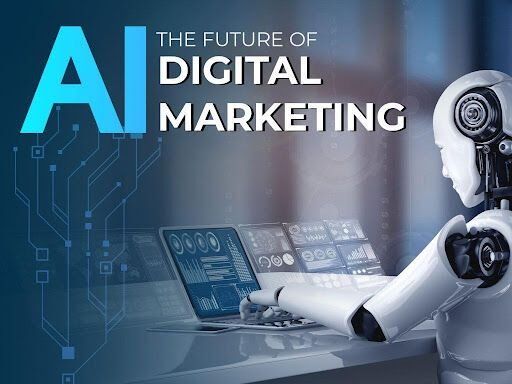
Artificial Intelligence (AI) is transforming digital marketing faster than ever. From automated content creation to predictive analytics, AI helps businesses save time, reduce costs, and increase conversions.
If you’re wondering how to use AI in digital marketing effectively, this beginner-friendly guide will walk you through practical strategies you can implement right away.
What Is AI in Digital Marketing?
AI in digital marketing refers to the use of machine learning, automation, and data-driven tools to improve marketing performance. Instead of relying on guesswork, AI analyzes user behavior, predicts trends, and optimizes campaigns in real time.
This allows marketers to make smarter decisions based on data rather than assumptions.
1. AI for Content Creation
Creating consistent, high-quality content can be time-consuming. AI-powered tools help marketers:
- Generate blog ideas
- Write social media captions
- Create email campaigns
- Optimize headlines
- Improve SEO structure
AI doesn’t replace creativity — it enhances it. You can use AI to draft content quickly, then refine it with your personal voice and brand style.
This increases productivity while maintaining quality.
2. AI for SEO Optimization
Search Engine Optimization (SEO) is critical for organic traffic. AI tools help with:
- Keyword research
- Competitor analysis
- Content gap identification
- On-page optimization
- Search intent analysis
AI can analyze large volumes of data within seconds, helping you identify high-ranking keywords and long-tail phrases. It also suggests improvements to boost search visibility.
This makes your website more discoverable on search engines.
3. AI-Powered Chatbots for Customer Support
Customer service plays a major role in digital marketing success.
AI chatbots can:
- Answer common questions
- Provide product recommendations
- Capture leads
- Offer 24/7 support
This improves customer experience while reducing workload for your team. Fast responses increase trust and improve conversion rates.
4. AI for Personalized Marketing
Modern customers expect personalized experiences. AI analyzes customer data such as:
- Browsing behavior
- Purchase history
- Engagement patterns
Based on this data, AI can personalize:
- Email campaigns
- Product recommendations
- Website content
- Social media ads
Personalized marketing increases engagement and boosts sales because customers see content tailored specifically to their needs.
5. AI in Paid Advertising
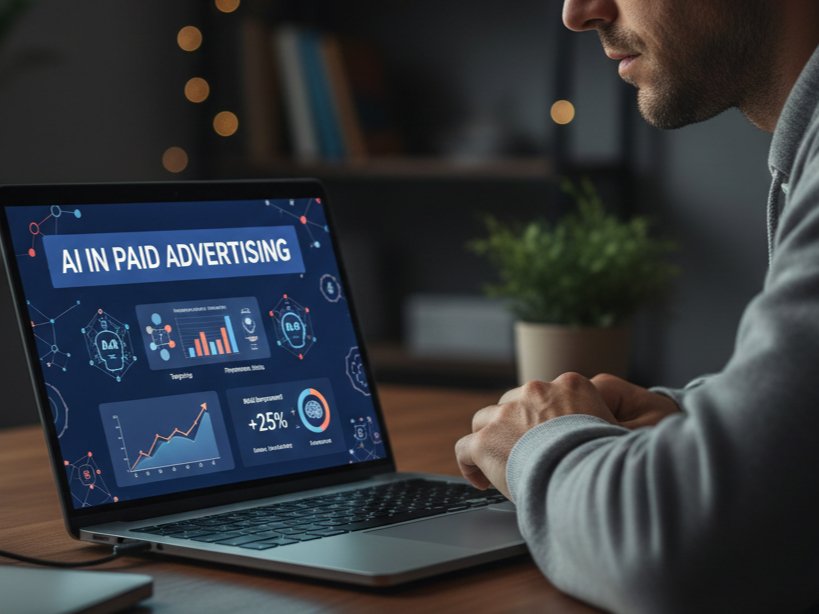
AI significantly improves ad performance on platforms like Google and social media.
It helps with:
- Automated bidding
- Audience targeting
- Ad copy optimization
- Budget allocation
AI algorithms analyze which ads perform best and automatically adjust campaigns to maximize return on investment (ROI).
This reduces wasted ad spend and improves overall efficiency.
6. Predictive Analytics for Better Decisions
One of the biggest advantages of AI is predictive analytics.
AI can forecast:
- Customer behavior
- Sales trends
- Campaign performance
- Market demand
Instead of reacting to results, businesses can proactively adjust strategies before problems arise.
Data-driven decisions lead to smarter marketing investments.
Best Practices for Using AI in Digital Marketing
To get the best results:
- Combine AI with human creativity
- Regularly monitor performance
- Avoid over-automation
- Focus on delivering real value
AI is a powerful assistant, but strategy and brand voice should remain human-led.
Common Mistakes to Avoid
- Relying entirely on AI without review
- Ignoring data insights
- Using AI tools without clear goals
- Overlooking customer experience
Balance automation with personalization for long-term success.
Final Thoughts
AI in digital marketing is no longer optional — it’s a competitive advantage. Businesses that embrace AI tools can improve efficiency, enhance personalization, and boost profitability.
Start small. Test tools. Optimize consistently.
When used strategically, AI becomes one of the most powerful growth drivers in modern digital marketing.