In today’s digital world, paid social media advertising is one of the fastest ways for small businesses to generate leads and increase sales. Platforms like Instagram and Facebook offer powerful targeting tools that allow businesses to reach the right audience at the right time.
If you’re a small business owner wondering how to use Instagram and Facebook ads effectively, this beginner-friendly guide will walk you through the process step by step.
Why Instagram & Facebook Ads Matter for Small Businesses
Instagram and Facebook have billions of active users combined. More importantly, both platforms allow advanced audience targeting based on:
- Location
- Age and gender
- Interests
- Online behavior
- Purchase activity
This means even a small budget can generate strong results when used strategically.
Paid ads help small businesses:
- Increase brand awareness
- Drive website traffic
- Generate leads
- Boost online sales
- Promote local services
Step 1: Set Clear Advertising Goals
Before creating an ad, define your objective. Ask yourself:
- Do I want more website traffic?
- Do I want leads or inquiries?
- Do I want direct sales?
- Do I want more followers or engagement?
Both platforms use goal-based campaign structures such as:
- Awareness
- Traffic
- Engagement
- Leads
- Sales
Choosing the right objective helps the algorithm optimize your results.
Step 2: Understand Your Target Audience
Successful ads depend on precise targeting.
Define your ideal customer:
- Age group
- Location (especially important for local businesses)
- Interests
- Income level
- Online behavior
You can also create Custom Audiences, such as:
- Website visitors
- Email subscribers
- Previous customers
Lookalike Audiences are especially powerful — they help you reach new people similar to your existing customers.
Step 3: Create High-Converting Ad Creatives
Your visuals and copy determine whether users stop scrolling.
For Instagram and Facebook ads:
- Use high-quality images or short videos
- Keep text simple and benefit-focused
- Highlight the problem and solution
- Add a clear Call-to-Action (CTA)
Examples of strong CTAs:
- Shop Now
- Learn More
- Sign Up
- Book Today
Short videos often perform better than static images because they capture attention quickly.
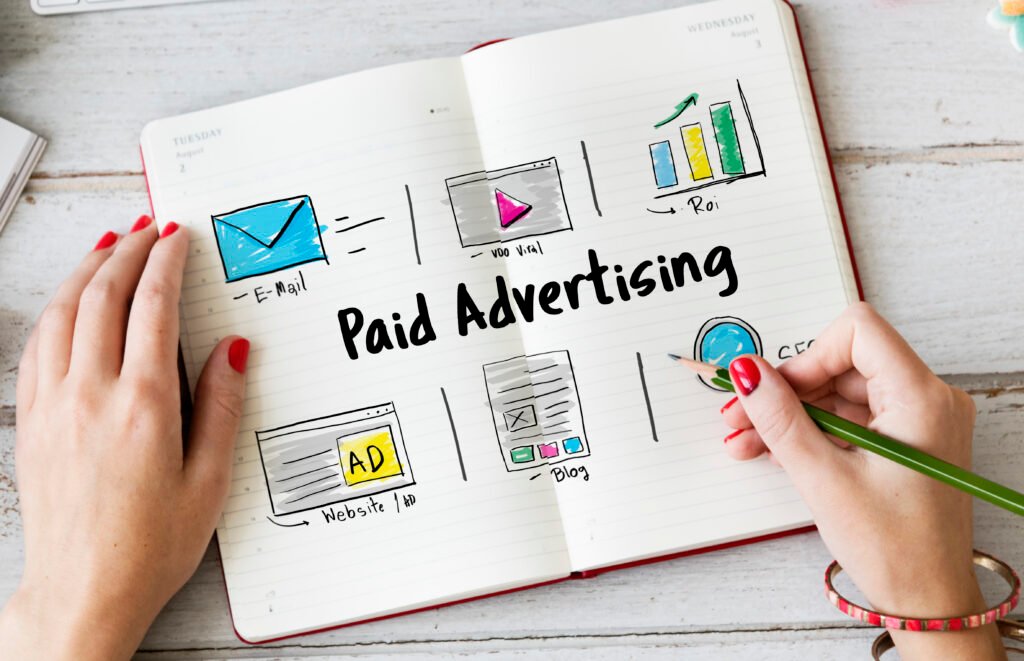
Step 4: Set a Smart Budget
You don’t need a huge budget to start.
For beginners:
- Start with a small daily budget
- Test multiple ad creatives
- Analyze performance
Focus on metrics like:
- Click-Through Rate (CTR)
- Cost Per Click (CPC)
- Conversion Rate
- Return on Ad Spend (ROAS)
Scale only the ads that perform well.
Step 5: Optimize and Retarget
Most customers don’t buy on the first visit. That’s why retargeting is crucial.
Retarget users who:
- Visited your website
- Added products to cart
- Engaged with your social media
Retargeting ads usually have lower costs and higher conversion rates because the audience already knows your brand.
Optimization tips:
- Pause underperforming ads
- Test different headlines
- Change visuals regularly
- Adjust targeting
Small improvements can significantly increase ROI.
Common Mistakes Small Businesses Should Avoid
- Running ads without clear goals
- Targeting too broad an audience
- Ignoring analytics
- Not testing multiple creatives
- Stopping ads too early
Patience and testing are key to long-term success.
Final Thoughts
Instagram and Facebook ads offer powerful growth opportunities for small businesses in 2026. With proper targeting, compelling creatives, and smart budgeting, even small brands can compete effectively.
Start simple. Test consistently. Optimize regularly.
When used strategically, paid social advertising can become one of your most profitable marketing channels.